
Table of Contents
- Why Spotting Quality Matters for Your Home and Car
- Your Product Quality Checklist: 8 Things to Inspect
- Signs of a Well-Made Product You Can Spot in Seconds
- How to Evaluate Product Reviews Without Getting Fooled
- Durable Home Decor Materials That Actually Last
- Checking Quality When Shopping Online
- Conclusion: Build Your Eye for Quality
- Frequently Asked Questions
Last Updated: October 15, 2026
Why Spotting Quality Matters for Your Home and Car
Most online shoppers have opened a package and felt that sinking feeling. Learning how to spot high quality lifestyle products is the skill that stops that from happening again.
At Munk'Goods, we sell home decor and car accessories, so we see both sides of this.
Here's the core argument: quality is usually visible before you buy. You just need to know where to look.
That matters more than ever. The Federal Trade Commission's guidance on advertising claims exists because sellers sometimes stretch the truth about what a product is.
Your Product Quality Checklist: 8 Things to Inspect
A good product quality checklist turns a vague gut feeling into a repeatable process. Run these eight checks every time you evaluate an item, whether it's in your hands or on a screen.
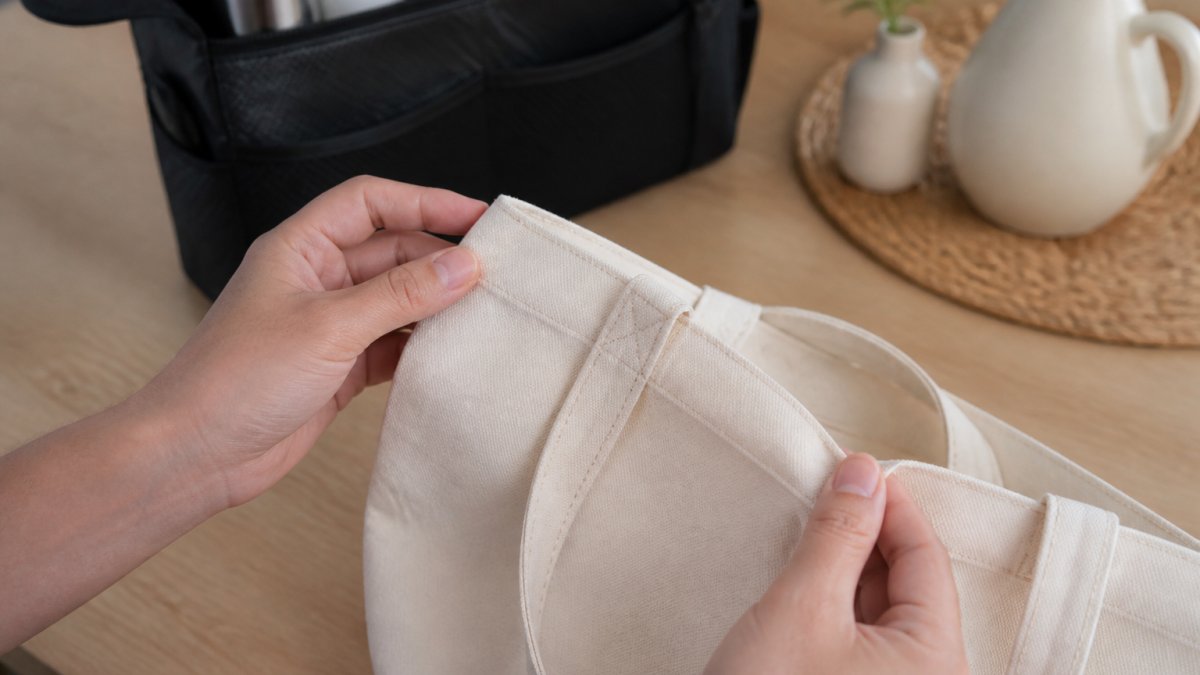
- Materials. Check the fabric, leather, metal, or wood. Does it feel substantial or thin?
- Construction. Look at how the piece is assembled. Are joints tight and aligned?
- Stitching. Even, dense stitches signal care. Loose or skipping stitches signal rush.
- Seams. Run a finger along them. Flat, clean seams hold up. Bumpy ones split.
- Trims. Zippers, buttons, and fasteners should move smoothly and feel solid.
- Wear signs. Look for snags, pilling, peeling, or bubbling before you buy.
- Labels. Read the tag for material content and care instructions.
- Reputation. Check the maker and the reviews before you commit.
That's the full framework. Now let's zoom in on the two checks that catch the most problems: materials and construction, then trims and labels.
Materials, Construction, and Stitching
Material quality decides how long a product lasts. A tight weave in fabric resists pilling and snags.
Construction tells you how much the maker cared. On a well-built bag or organizer, seams line up. Stitching runs straight and dense. Nothing wobbles.
Here's what most guides miss: turn the item inside out. The hidden side is where shortcuts show up. Rough, unfinished interiors mean corners were cut everywhere.
Trims, Fasteners, and Labels
Small parts fail first. Zippers, buttons, fasteners, elastic, and cords take the most daily stress, so they reveal real build quality fast.
- Zippers: Should glide without catching. Metal teeth usually outlast plastic.
- Buttons and fasteners: Should feel anchored, not loose.
- Elastic and cords: Should snap back, not stay stretched.
A blurry or missing label is a warning sign. Legitimate makers are proud to tell you what's inside. Vague labels often hide weak materials.
Signs of a Well-Made Product You Can Spot in Seconds
The fastest signs of a well-made product show up in seconds, before you read a single review.
- Even stitching with no loose threads
- Consistent color with no patchy dye or finish
- Straight seams that don't pucker or pull
Weight is underrated. A lightweight item isn't automatically bad, but a piece that feels hollow for its size usually is. Consistency matters too.
Craftsmanship leaves fingerprints. A handmade or luxury item often shows small, deliberate details: reinforced stress points, matched patterns, tidy finishing.
How to Evaluate Product Reviews Without Getting Fooled
Learning how to evaluate product reviews protects you from the biggest online trap: fake or gamed feedback.
Start with the distribution, not the average. A wall of five-star reviews with no detail is a red flag.
Look for these signals instead:
- Specific detail. Real reviews mention how a product held up over time.
- Photos from buyers. Customer images show the item in real homes and cars.
- Balanced feedback. Honest reviews note both pros and cons.
The FTC's rules on endorsements and reviews require honest disclosure, which is why fake reviews are a legal risk for sellers. Still, they exist.
Durable Home Decor Materials That Actually Last
Choosing durable home decor materials comes down to matching the material to the job. Some materials look lovely but wear fast. Others handle daily life for years. But durability isn't just about the base material, it's about how it's finished, how it's constructed, and whether it can be repaired. Most guides stop at a material list. Here's what actually determines lifespan.
Material-by-Material Durability and Repairability
| Material | Best For | Watch Out For | Expected Lifespan | Repairability |
|---|---|---|---|---|
| Solid wood | Furniture, frames | Cracks if unsealed | 10-50+ years | High, sand and refinish |
| Ceramic and stoneware | Vases, planters | Chips on hard knocks | 5-20 years | Low, chips are permanent |
| Cotton canvas | Totes, organizers | Fades in direct sun | 3-10 years | Medium, patches and re-stitching |
| Wool and blends | Throws, rugs | Pilling if low grade | 5-15 years | Medium, reweaving possible |
| Metal alloys | Hardware, accents | Rust if uncoated | 5-20 years | Low, rust spreads |
These ranges are directional. A well-made solid wood table can last generations; a cheap particleboard one may sag in two years. The pattern is simple: natural, dense materials usually outlast thin synthetics, and finishes matter as much as the base material. A sealed wood surface resists moisture. A powder-coated metal resists rust. Ask how the piece is finished, not just what it's made of.
Long-Term Durability Evidence: What to Look For
Before you buy, look for evidence that the product will last beyond the first month. Here's what to check:
- Warranty length and coverage. A 1-year warranty is standard; 5 or 10 years signals confidence. Read what's excluded, many warranties don't cover normal wear.
- Spare parts availability. Can you buy replacement cushions, hardware, or covers? Brands that sell parts expect you to keep the item.
- Repair options. Does the maker offer repair services? For furniture, can legs be tightened or replaced? For textiles, can seams be re-stitched?
Category-Specific Inspection Checklist
Different lifestyle products fail in different ways. Use these quick checks:
Furniture
- Joints: wobble test, if it shifts, the joinery is weak.
- Underside: look for staples instead of screws or dowels.
- Finish: run a finger along edges, rough spots mean poor sanding.
Kitchenware
- Weight: a heavy pan distributes heat better than a thin one.
- Handle attachment: rivets should be tight and flush.
- Base: flat bottoms prevent wobbling on stovetops.
Electronics
- Cable quality: thick, flexible cables outlast thin, stiff ones.
- Port fit: plugs should insert smoothly, not loosely.
- Certifications: look for UL, CE, or FCC marks.
Textiles
- Weave density: hold up to light, if you can see through easily, it's thin.
- Stitching: even, dense stitches at stress points.
- Care label: if it says dry clean only, factor in ongoing cost.
For car interiors, the same logic applies. UV light and heat punish cheap plastics and fabrics. Look for materials built to handle temperature swings, and check for UV-resistant coatings.
Checking Quality When Shopping Online
Online shopping hides the senses you'd normally use. You can't touch the fabric or test the zipper. So you rely on other evidence, and you have to read it carefully. Most guides stop at "check the specs and reviews." That's not enough. Here's a repeatable method that turns a product page into a quality inspection.
The 5-Point Online Inspection Method
Run every listing through these five checks before you add to cart. Score each from 1 (poor) to 5 (excellent). A total below 15 is a pass; 15-20 is a maybe; 21-25 is a strong buy.
- Specification completeness. Does the listing name materials, dimensions, weight, and care? Vague listings that skip these details usually hide weak products. A quality seller tells you the GSM of a towel, the alloy of a zipper, or the finish on wood.
- Image quality and angles. Zoom in on listing photos. Look for stitching density, seam alignment, and hardware finish. If the only photos are far-away lifestyle shots, you can't judge construction. Request close-ups if the seller allows questions.
- Return policy and warranty. A clear, no-hassle return window (30 days or more) and a stated warranty signal confidence. A restocking fee or a 7-day window suggests the seller expects returns.
- Review reliability. Sort by most recent and lowest rating. Look for specific, balanced feedback with buyer photos. A sudden burst of five-star reviews in one week is a red flag. The FTC's rules on endorsements and reviews require honest disclosure, but fake reviews still exist.
- Certifications and standards. Where relevant, look for third-party certifications (e.g., OEKO-TEX for textiles, GREENGUARD for furniture, UL for electronics). These aren't guarantees, but they show the product passed independent testing.
How to Verify Sustainability and Ethical Claims
Many brands now claim "sustainable," "eco-friendly," or "ethically made." These claims are hard to verify, but you can check a few things:
- Look for specific certifications. B Corp, Fair Trade, GOTS (Global Organic Textile Standard), and FSC (Forest Stewardship Council) are third-party verified. A vague leaf icon means nothing.
- Check the brand's supply chain disclosure. Does the website name factories, materials sources, or labor standards? If not, the claim is likely marketing.
- Use the FTC's Green Guides to understand what environmental claims legally mean. If a claim sounds too broad ("100% sustainable"), it's probably unverified.
Online Shopping Checklist
- Zoom in on listing photos. Look for stitching and finish.
- Read the specs, not the marketing.
- Check the return policy before you buy.
Conclusion: Build Your Eye for Quality
Spotting quality is a skill, and like any skill, it sharpens with practice. The more you inspect materials, check stitching, and read reviews critically, the faster you'll separate the good from the disposable.
That's exactly how we think about our own catalog at Munk'Goods. We focus on a curated selection of high-quality home decor and car accessories, so you spend less time digging and more time enjoying your space and your ride.
Ready to shop with a sharper eye? Continue shopping with Munk'Goods and find goods that actually last.
Frequently Asked Questions
How can you tell if a product is high quality?
Start with the materials and construction. Check for a tight weave, consistent grain on leather, and even stitching without loose threads. Look at zippers, buttons, and fasteners to see if they feel solid. Review the label for material details and care instructions. Then compare what you see against customer reviews and photos. A high quality lifestyle product shows attention to detail in every component, not just the outer surface.
How do you check the quality of a product before buying it online?
Zoom into product photos to examine stitching, seams, and material texture. Read the product specifications for material composition and weight. Look for customer photos that show the item in real homes or cars. Check whether the seller provides detailed compatibility information and a clear return policy. If the listing is vague about materials or construction, treat that as a warning sign. A thorough product quality checklist starts with what the listing actually tells you.
Are expensive lifestyle products always better quality?
No. Price reflects branding, marketing, and distribution as much as materials. A higher price does not guarantee better stitching or more durable home decor materials. Compare construction details directly: seam quality, fastener type, fabric weight, and finish consistency. Some affordable items use the same materials as costlier ones. The signs of a well-made product are visible regardless of price tag, so judge the item itself rather than assuming cost equals quality.
Which materials are best for durable home products?
It depends on the item. For textiles, look for tight-weave cotton, linen blends, or wool with a dense hand feel. For furniture and decor, solid wood, stone, and powder-coated metal resist wear better than particleboard or thin veneers. For car accessories, neoprene, heavy-duty nylon, and reinforced stitching hold up to daily use. Check the label for material specifications and compare against how you plan to use the item.
Quality products are worth the hunt, but the hunt takes time. Munk'Goods makes it easier with a curated range of home decor and car accessories built around real quality, not just good photos. Browse our wide product selection and our specialized car accessories to upgrade your space and your drive. Get started with Munk'Goods and find the perfect goods to complement your lifestyle.