
Table of Contents
- What Are Aesthetic Car Interior Upgrades?
- Best Car Interior Accessories for Aesthetics
- How to Customize Car Interior on a Budget
- Luxury Car Interior Upgrade Ideas
-
Safety and Legal Compliance for Interior Modifications
- Window Tinting: Legal Limits and Visibility Impact
- Seat Covers and Airbag Interference
- Ambient Lighting and Driver Distraction
- Audio System Modifications and Electrical Safety
- Dashboard Modifications and Instrument Visibility
- Steering Wheel Covers and Grip Safety
- Creating a Safety Checklist Before Installation
- Sustainability and Eco-Friendly Interior Materials
- Vehicle-Specific Compatibility and Installation Tips
- Frequently Asked Questions
Last Updated: September 23, 2026
What Are Aesthetic Car Interior Upgrades?
Aesthetic car interior upgrades are modifications that enhance visual appeal, comfort, and atmosphere while maintaining functionality and safety. The goal is to create a driving environment that reflects your personality. The best aesthetic car interior upgrades balance visual impact, practical value, and ease of installation, choose upgrades that match your budget, skill level, and vehicle type.

Best Car Interior Accessories for Aesthetics
The most impactful aesthetic car interior upgrades fall into several categories, each addressing a different aspect of cabin atmosphere and personal style.
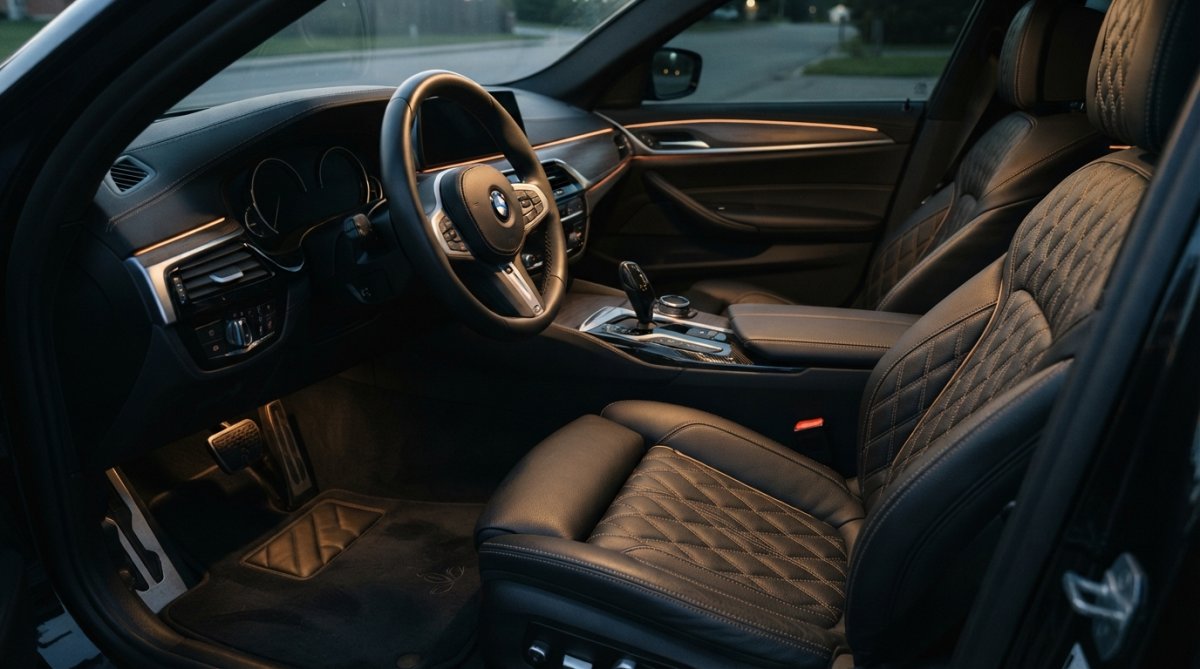
Ambient and Interior Lighting Upgrades
LED accent lights along the dashboard, door panels, footwells, and ceiling create sophisticated ambiance without structural changes. Most plug-and-play systems let you control color, brightness, and music sync. Choose cool blues and whites for a modern feel or warm ambers for relaxation. Installation takes 30-60 minutes; mount lights to illuminate surfaces rather than shine into your line of sight.
Seat Covers and Upholstery
Seat covers protect original upholstery while transforming cabin aesthetics. Custom-fit covers look premium; universal covers look cheap and bunch up. Leather-look covers create luxury aesthetics; suede or alcantara offer sportier appearance. Installation ranges from 15 minutes to several hours.
Floor Mats and Liners
Premium floor mats protect flooring and define cabin space visually. Custom-fit mats hug floors perfectly; universal mats look sloppy and shift while driving. Choose mats with brand embroidery or unique colors that complement seat covers. Installation is simple and makes a disproportionate difference in cabin cohesion.
Audio System and Sound Quality
Upgraded audio systems deliver clarity beyond stock systems. Visible subwoofers, illuminated speakers, and quality tweeters add visual interest. Professional installation is recommended for wiring and speaker placement expertise.
Window Tinting and Decorative Accents
Window tinting protects interiors from UV damage while creating sleek appearance and reducing heat and glare. Check local regulations before tinting. Decorative accents like steering wheel wraps and trim kits create visual continuity.
Steering Wheel Covers and Dashboard Trim
Quality steering wheel covers improve grip and add visual appeal. Dashboard trim kits in carbon fiber, wood, or metal finishes frame your infotainment system and make outsized visual impact.
How to Customize Car Interior on a Budget
Smart budget decisions let you achieve major aesthetic improvements without breaking the bank.
DIY vs. Professional Installation Cost-Benefit Analysis
DIY projects save money but require time and tools; professional installation guarantees quality. Here's the practical breakdown:
| Upgrade Type | DIY Feasibility | Time Investment | Professional Cost Range | Best Approach |
|---|---|---|---|---|
| Ambient lighting | High | 1-2 hours | $200-500 | DIY (simple adhesive installation) |
| Floor mats | Very high | 15 minutes | $100-300 | DIY (no tools needed) |
| Seat covers | Medium | 2-4 hours | $300-1,000 | Professional (custom fit) |
| Window tinting | Low | 4-6 hours | $200-600 | Professional (requires skill) |
| Audio upgrades | Low | 4-8 hours | $500-2,000 | Professional (wiring complexity) |
| Dashboard trim | Medium | 1-3 hours | $150-400 | DIY (mostly clip-on pieces) |
Budget-Friendly Upgrade Priorities
Prioritize upgrades that create maximum visual impact with minimum expense: floor mats ($30-80), ambient lighting ($40-150), quality seat covers ($150-400), dashboard trim kits ($50-150), professional window tinting ($200-400), and audio upgrades ($300+). This sequence maximizes visual impact while spreading costs.
Luxury Car Interior Upgrade Ideas
Luxury upgrades include premium leather with custom stitching, heated seats, and hand-stitched accents; multi-zone ambient lighting with programmable colors; high-end audio systems with premium amplifiers; and custom interior restoration with hand-crafted accent pieces.
Safety and Legal Compliance for Interior Modifications
Aesthetic upgrades can affect your vehicle's safety systems, visibility, and legal status. Understanding these implications before installation prevents costly mistakes and keeps you safe.
Window Tinting: Legal Limits and Visibility Impact
Window tint darkness is regulated by state and local law, measured in Visible Light Transmission (VLT) percentage. Common legal limits: front windshield (no tint or small top strip), front side windows (50-70% VLT typical), rear windows (20-50% VLT typical). Regulations vary significantly by state.
Seat Covers and Airbag Interference
Seat covers must not obstruct airbag deployment. Custom-fit covers designed for your vehicle account for airbag seams; universal covers are higher risk. Look for covers labeled "airbag compatible." Avoid thick padding or reinforced stitching over airbag seams. After installation, verify airbag seams are clearly visible and not bulging.
Ambient Lighting and Driver Distraction
Interior lighting should enhance atmosphere without distracting you while driving. Improperly placed lights create glare on your windshield, reflect off the dashboard into your eyes, or draw your attention away from the road.
Safe placement guidelines:
Car interior accessories, car center →
- Avoid placing bright lights in your direct line of sight or in the upper dashboard area where they reflect on the windshield.
- Mount lights along the lower dashboard, door panels, footwells, and ceiling edges where they illuminate surfaces without creating glare.
- Use warm colors (amber, soft white) rather than bright blues or greens, which are more distracting.
- Keep brightness at levels that enhance ambiance without creating visibility issues. If you can't see the road clearly because of interior lighting, it's too bright.
- Test your lighting setup during evening drives before finalizing installation. What looks good in daylight might be distracting at night.
Audio System Modifications and Electrical Safety
Audio upgrades involve wiring into your vehicle's electrical system. Improper installation creates several risks:
- Battery drain: Incorrectly wired amplifiers or subwoofers can drain your battery even when the engine is off, leaving you stranded.
- Blown fuses: Undersized wiring or incorrect fuse ratings can cause fuses to blow repeatedly, disabling other vehicle systems.
- Electrical fires: Damaged wiring or short circuits can overheat and ignite, creating fire risk.
- Alternator damage: High-powered audio systems require significant electrical draw. Undersized alternators can be damaged by the demand.
Safe installation practices:
- Use appropriately sized wiring for your amplifier's power requirements. A 1000-watt amplifier requires different wiring than a 500-watt system.
- Install an inline fuse holder rated for your system's maximum draw, typically 80-150 amps for high-powered audio.
- Use a fuse tap or dedicated power source rather than splicing into existing vehicle wiring.
- Ground your amplifier to a clean metal surface on the vehicle frame, not to plastic or painted surfaces.
- Route power cables away from heat sources, sharp edges, and moving parts.
- Have a professional installer verify your system's electrical draw against your vehicle's alternator capacity.
Dashboard Modifications and Instrument Visibility
Dashboard trim kits, decorative accents, and custom pieces must not obstruct your view of:
- Speedometer and fuel gauge
- Warning lights (check engine, airbag, battery, oil pressure)
- Infotainment display
- Climate control readouts
- Any other critical information displays
Safe installation:
- Measure and test-fit all trim pieces before permanent installation.
- Ensure warning lights are fully visible and not dimmed by overlapping trim.
- Verify that your infotainment screen is not obscured or reflected in a way that creates glare.
- Avoid modifications that block air vents or climate control outlets.
- If you're installing custom trim, ensure it doesn't interfere with steering column adjustments or pedal operation.
Steering Wheel Covers and Grip Safety
Steering wheel covers affect your grip and control. Covers that are too thick, too slippery, or poorly fitted can reduce steering responsiveness and increase accident risk.
Safety considerations:
- Covers should not add more than 1/4 inch (6mm) of thickness to the wheel diameter. Thicker covers reduce your ability to feel the wheel and make fine steering adjustments.
- Material should provide adequate grip. Slippery materials (some synthetic leather) reduce control, especially in wet conditions.
- Covers must fit snugly without bunching or shifting during driving. Loose covers can rotate unexpectedly, affecting your grip.
- Avoid covers with large decorative elements, studs, or protrusions that could catch your hands or interfere with airbag deployment.
Creating a Safety Checklist Before Installation
Before installing any aesthetic upgrade, ask yourself:
- Is this modification legal in my jurisdiction? (Especially for tinting, lighting colors, and audio system modifications.)
- Does this obstruct any safety-critical view or system? (Gauges, warning lights, airbag seams, steering wheel grip.)
- Does this affect vehicle electrical safety? (Wiring, fuse ratings, battery draw.)
- Is this modification tested and rated for my specific vehicle? (Custom-fit vs. universal, airbag compatibility.)
- If something goes wrong, can I fix it or afford professional correction? (Especially for wiring, tinting, and upholstery.)
- Am I confident in my installation skills, or should I hire a professional?
When in doubt, professional installation is the safest choice. It protects your vehicle, ensures legal compliance, and provides warranty coverage if something fails.
Sustainability and Eco-Friendly Interior Materials
Environmentally conscious drivers can choose sustainable options for their aesthetic upgrades without sacrificing style.
Vehicle-Specific Compatibility and Installation Tips
The best aesthetic car interior upgrades are specifically designed for your vehicle. Generic solutions rarely fit perfectly or look intentional.
Frequently Asked Questions
What are the best aesthetic car interior upgrades for beginners?
Start with high-impact, easy-to-install upgrades: seat covers, floor mats, and decorative accents like steering wheel covers or rearview mirror ornaments. These require minimal tools and no permanent modifications. Ambient lighting kits and window tinting are next-level options once you're comfortable. The key is choosing upgrades that match your car's existing color palette and your personal style for a cohesive cabin atmosphere.
How can I make my car interior look more luxurious on a budget?
Focus on high-quality materials and strategic placement. Invest in premium seat covers with leather treatment, add ambient lighting to create mood, and use custom floor liners for a tailored feel. Upgrade your steering wheel wrap and add dashboard trim kits in metallic or wood finishes. These modifications create a luxury feel without major expenses. Munk'Goods offers curated car accessories like decorative ornaments and functional pieces that deliver aesthetic impact at accessible price points.
Do aesthetic car interior upgrades increase resale value?
Minor upgrades like quality seat covers and floor mats can appeal to buyers, but permanent modifications (window tinting, infotainment systems) may not recoup their cost. Focus on reversible upgrades that protect original upholstery and maintain the cabin's original aesthetic. Avoid overly personalized customizations that might not match a buyer's taste. Upgrades that improve ergonomics and comfort tend to hold more value than purely decorative changes.
How do I know if aesthetic upgrades will fit my specific vehicle model?
Always check compatibility specifications before purchasing. Look for products that list compatible makes, models, and years. Custom-fit options are more expensive but guarantee proper installation. Universal products work on most vehicles but may require adjustments. When ordering from Munk'Goods or other retailers, verify fitment details in the product description and contact customer support if uncertain. Measure your car's dimensions (dashboard width, seat size, floor space) to confirm fit before committing.
What is the most popular aesthetic car interior trend right now?
Minimalist cabin aesthetics with coordinated ambient lighting and high-quality materials dominate 2026 trends. Soft accent lighting, premium upholstery in neutral tones, and functional decorative elements create a balanced, modern interior. Eco-friendly materials are increasingly popular, and personalization through custom ornaments and dashboard accents allows drivers to express individuality without clutter. The trend emphasizes quality over quantity, focusing on tactile quality and visual appeal working together.
Can I install aesthetic car interior upgrades myself, or do I need a professional?
Many upgrades are DIY-friendly: seat covers, floor mats, steering wheel wraps, and decorative accents require only basic tools. Ambient lighting kits vary in difficulty; some plug into existing sockets while others need wiring. Window tinting, infotainment system upgrades, and sound deadening typically require professional installation to ensure quality and avoid damage. Evaluate your comfort level with each upgrade type and consider professional installation if you're unsure about the process or want a perfect finish.
What color scheme works best for car interior customization?
Choose colors that complement your car's original interior and match your personal style. Neutral tones (black, grey, beige) create a timeless luxury feel and hide wear well. Accent colors (navy, burgundy, tan) add personality without overwhelming the space. Ensure your seat covers, floor mats, steering wheel wrap, and decorative accents coordinate for visual cohesion. Consider how ambient lighting will interact with your color choices; warm lighting enhances earthy tones while cool lighting suits modern, minimalist palettes.