
Table of Contents
- Quick Comparison: Abstract Art Sculptures for Living Rooms
- How We Selected These Abstract Art Sculptures
- 1. Home Decor Abstract Art Sculpture: Compact Contemporary Statement
- 2. Large Abstract Art Sculpture: Bold Floor or Console Display
- 3. Creative Home Decor Art Abstract Sofa Side: Beside-Furniture Accent
- 4. Creative Decor Sculptures Luxury: Refined Artistic Elegance
- 5. Nordic Ceramic Figurines: Minimalist Sculptural Forms
- How to Style Sculptures in a Living Room
- Frequently Asked Questions
Last Updated: October 17, 2026
Quick Comparison: Abstract Art Sculptures for Living Rooms
Choosing an abstract art sculpture for your living room comes down to scale, material, and fit with your existing aesthetic. Some pieces demand attention as floor or console displays; others work best as shelf accents.
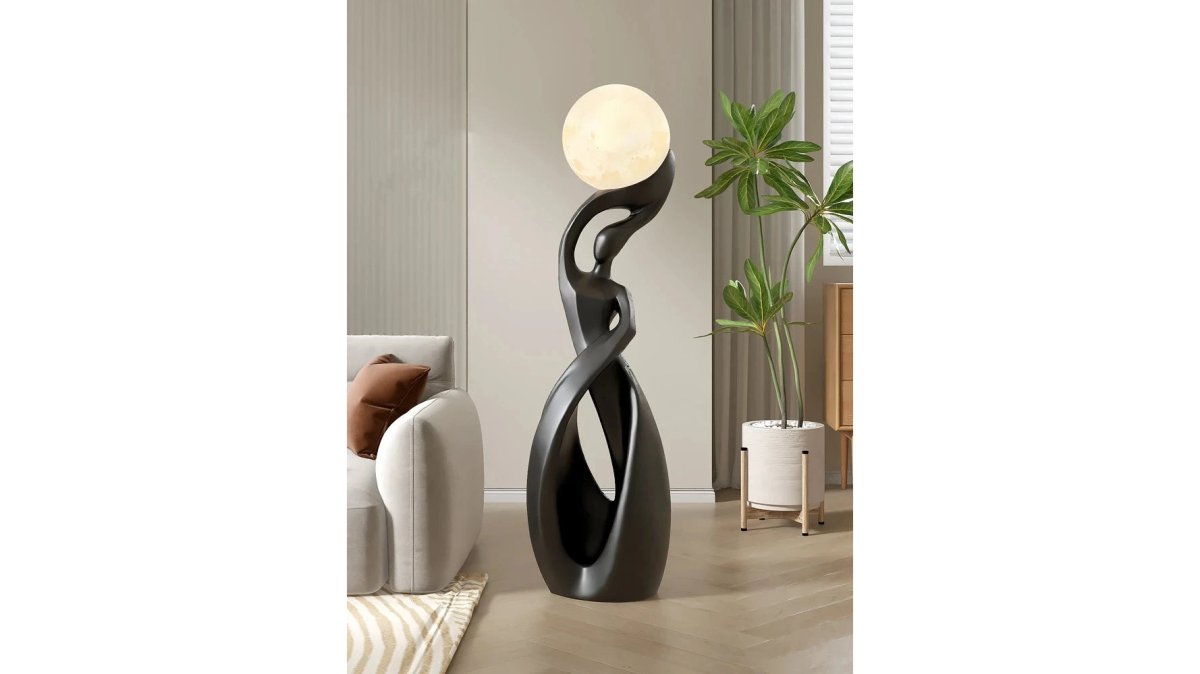
At Munk'Goods, we've curated the 5 best abstract art sculptures for living room decor, each designed to transform living spaces with contemporary elegance. Each brings a different energy to a room; understanding the differences helps you pick the right one.

| Sculpture | Price | Best For | Key Feature |
|---|---|---|---|
| Home Decor Abstract Art Sculpture | $364.72 | Statement centerpiece | Contemporary form, versatile display |
| Large Abstract Art Sculpture | $53.36 | Bold floor display | Expressive, eye-catching design |
| Creative Home Decor Art Abstract Sofa Side | $74.20 | Beside furniture accent | Modern artistic touch |
| Creative Decor Sculptures Luxury | $67.83 | Refined focal point | Sophisticated aesthetic |
| Nordic Home Decor Figurines | $21.61 | Minimalist accent | Clean Scandinavian lines |
| Nordic Ceramic Figurines for Home Decor | $58.36 | Shelf or table display | Smooth ceramic finish |
How We Selected These Abstract Art Sculptures
Here is how we selected the 5 best abstract art sculptures for living room decor and evaluated them, so you can apply the same logic to pieces you find elsewhere.

The five criteria
- Scale and placement fit. Each piece was assessed for where it realistically lives: floor, console, coffee table, shelf, or beside-furniture accent. We favored dimensions that suit common living-room surfaces.
- Material and household durability. We weighed how each material handles daily life, cleaning, weight, fragility, and suitability around children and pets.
- Style range. We looked for forms and finishes that read well in minimalist, Scandinavian, contemporary, and eclectic rooms.
- Value relative to size and material. What matters is what the price buys in scale, material, and finish. Each pick was judged against others in its own tier.
- Interpretive quality. Abstract sculpture earns its place when the form rewards more than one viewing angle. Pieces that read as generic decor from every side were deprioritized.
What the shortlist covers
The five picks fall into three practical roles. Statement pieces (the Home Decor Abstract Art Sculpture and the Large Abstract Art Sculpture) anchor a room or generous console. Accent pieces (the Creative Home Decor Art Abstract Sofa Side and the Creative Decor Sculptures Luxury) add artistic presence beside furniture or on a sideboard without dominating the seating zone. Minimalist entry pieces (the Nordic Ceramic Figurines) let you test whether abstract sculpture suits your space before committing to a larger purchase.
What affects price
Cost tends to track four things: material (stone and bronze at the top; resin and ceramic at the bottom), size and weight, handmade versus cast in quantity, and finish complexity. A small handmade ceramic can cost more than a larger molded resin piece, so compare within material categories rather than by size alone. For decor reproductions, ask whether the piece is an original, a limited edition, or an open-edition decor object.
What to check before you buy
- Dimensions: Confirm height, width, and base footprint against your intended surface and clearance.
- Weight and load: Stone and metal pieces can exceed the safe load of floating shelves; check the shelf or console rating.
- Finish and variation: Handmade and glazed pieces vary in tone and texture; ask for a photo of the actual unit if variation matters to you.
1. Home Decor Abstract Art Sculpture: Compact Contemporary Statement
This is the pick for anyone wanting a genuine artistic focal point without floor space or a dedicated console. At $364.72, the Home Decor Abstract Art Sculpture delivers contemporary elegance through its expressive abstract form.

Its strength is versatility. Display it on a coffee table with books and plants, or alone on a console for maximum impact.
What makes this piece different: the form encourages different interpretations depending on viewing angle. One person sees movement and flow; another sees geometric tension. That interpretive quality separates sculpture from decoration.
The trade-off is commitment. At this price, it's not an impulse purchase, so it should genuinely resonate with your aesthetic before you buy.
2. Large Abstract Art Sculpture: Bold Floor or Console Display
For rooms with generous floor space or substantial console tables, the Large Abstract Art Sculpture at $53.36 makes a dramatic statement through scale and presence.
The flowing abstract form creates movement and visual depth, rewarding multiple angles and individual interpretation.
Where it excels: it functions as the room's visual anchor without surrounding accessories, though it pairs well with a simple pedestal or console.
The practical consideration: this piece needs breathing room. Cramming it into a small space diminishes its impact.
3. Creative Home Decor Art Abstract Sofa Side: Beside-Furniture Accent
Not every sculpture needs to dominate a room. The Creative Home Decor Art Abstract Sofa Side at $74.20 adds artistic personality beside your sofa without overwhelming the seating area.
It works as a standalone accent or part of a larger arrangement.
The form combines creative shapes and an eye-catching silhouette, complementing plants, lamps, books, and other minimalist accents. Many people treat beside-furniture space as dead area; this piece transforms it into an intentional design element.
The strength here is restraint. It adds personality without demanding attention, which makes it ideal for balanced interiors where multiple elements share visual weight.
Home Decor Abstract Art Sculpture →
4. Creative Decor Sculptures Luxury: Refined Artistic Elegance
When you want sophistication and artistic character combined, the Creative Decor Sculptures Luxury at $67.83 delivers refined elegance through distinctive forms and balanced proportions.
These pieces work individually as subtle accents or arranged together as a curated display.
What sets this option apart: the artistic character suits interiors where creativity and sophisticated décor come together intentionally.
The contemporary luxury-inspired design makes these sculptures especially effective for homes with modern furniture and refined color palettes, complementing neutral tones while adding visual depth and personality.
5. Nordic Ceramic Figurines: Minimalist Sculptural Forms
Their minimalist character makes them easy to incorporate into modern, Scandinavian, contemporary, rustic, and minimalist décor. Compact, they create small artistic focal points without overwhelming the room.
The practical advantage: at this price point, you can experiment with abstract sculpture without significant investment.
These figurines pair beautifully with plants, books, candles, ceramic vases, and wooden accessories. They work especially well in rooms with natural materials and warm tones.
How to Style Sculptures in a Living Room
Most styling advice stops at "use odd numbers" and "leave breathing room." That's not enough to actually place a sculpture. What follows is layout-specific guidance: how to size a piece to a surface, where to position it relative to sightlines and traffic, and how to handle the material and household realities that determine whether a sculpture looks intentional or accidental.
Size the sculpture to the surface, not the room
A common rule of thumb among interior stylists: a sculpture displayed on a console, sideboard, or shelf should occupy roughly one-third to one-half of the surface height, and no more than about two-thirds of the available width. A 30-inch-tall console with a 12-inch sculpture reads as balanced; the same sculpture on a 36-inch console can look undersized. For floor pieces, aim for a height that reaches at least the seat height of nearby sofas or chairs (typically 17-20 inches) so the piece holds its own in the seating zone rather than disappearing below it.
Placement by living-room layout
- Console or sideboard behind a sofa: Center the sculpture or place it on one third of the surface, then balance the remaining space with a lamp, stack of books, or low bowl. Keep at least 2-3 inches of clearance from the wall so the form casts a shadow and reads in three dimensions.
- Coffee table: Choose a piece no taller than about 12-14 inches so it doesn't block sightlines between seated guests. Off-center placement (roughly one third from an edge) usually looks more considered than dead center.
- Open shelving: Vary heights across shelves and leave one shelf mostly empty to prevent visual clutter. A sculpture on a shelf at or just below eye level (roughly 55-65 inches from the floor) gets the most viewing attention.
Sightlines and traffic
Identify the room's primary sightline, the path your eye travels when you enter or sit down. A sculpture placed directly on that line becomes a focal point; placed just off it, it becomes a supporting accent. Keep floor sculptures out of walking paths: a common guideline is to leave at least 36 inches of clear walkway, and to pull a floor piece 6-12 inches away from walls so it doesn't read as furniture.
Match material and finish to the room
- Metal (blackened steel, brass, bronze): Reads as modern and architectural. Works with cool grays, whites, and dark woods; can feel cold in rooms dominated by warm textiles unless balanced with wood or greenery.
- Stone (marble, travertine, alabaster): Heavy and grounding. Suits traditional, transitional, and minimalist rooms; check the weight against shelf and console load limits before placing.
- Wood: Warm and casual. Pairs naturally with rattan, linen, and earthy palettes; avoid direct sun exposure, which can fade or crack unfinished pieces over time.
Household realities: kids, pets, and care
A sculpture that looks perfect in a showroom can be a liability at home. Resin and ceramic are the most fragile if knocked; stone is heavy and can chip or damage surfaces if it falls; metal is the most forgiving but can scratch. On high-traffic surfaces, consider museum putty or a weighted base for lighter pieces, and keep small figurines above the reach line in homes with toddlers or climbing cats.
Frequently Asked Questions
How do I choose an abstract art sculpture for my living room?
Start by considering your room's colour palette, existing furniture style, and available display space. Abstract sculptures work best when they complement rather than clash with your décor. Choose between geometric, fluid-line, or minimalist forms based on your aesthetic preference. Consider the sculpture's scale relative to your room size: smaller figurines suit shelves and tables, while larger pieces anchor console tables or floor displays. Think about whether you want a neutral-toned sculpture or one with colour to create visual contrast.
What's the difference between figurative and nonfigurative abstract sculptures?
Figurative sculptures suggest recognizable forms or human/animal shapes, while nonfigurative (abstract) sculptures use geometric shapes, fluid lines, and organic forms without representing specific objects. Nonfigurative pieces encourage individual interpretation and work particularly well in minimalist or contemporary interiors. Figurative abstract sculptures blend recognizable silhouettes with artistic abstraction, offering a middle ground for those wanting form with creative expression.
Where should I place a sculpture in my living room?
Position sculptures where they naturally draw the eye: on coffee tables as focal points, beside sofas as accent pieces, on consoles near entryways, or on shelves within grouped displays. Avoid placing sculptures directly in high-traffic pathways. For floor sculptures, position them in corners or against walls to create visual balance without obstructing movement. Ensure the sculpture is stable and won't be accidentally knocked over, especially if you have children or pets.
Can I mix different styles of abstract sculptures together?
Yes, mixing styles creates visual interest if you maintain balance. Pair geometric sculptures with fluid-line pieces, or combine different scales on the same shelf. Keep a common thread, such as colour palette, material, or scale range, to avoid the display looking chaotic. Group odd numbers of pieces (three or five) rather than even numbers for more dynamic arrangements. Leave breathing room between pieces so each sculpture remains visually distinct.
What materials are best for abstract sculptures in a living room?
Popular materials include resin, ceramic, polystone, metal, and wood. Resin and polystone are durable and low-maintenance, making them ideal for high-traffic areas. Ceramic and pottery offer organic texture and work well in Scandinavian or minimalist interiors. Metal sculptures suit contemporary and industrial spaces. Consider your home's humidity level and cleaning preferences when choosing materials. All Munk'Goods sculptures are designed for indoor display and require minimal maintenance.